The Mall at Green Hills
Nashville's premier luxury shopping center and the commercial anchor of the whole area.
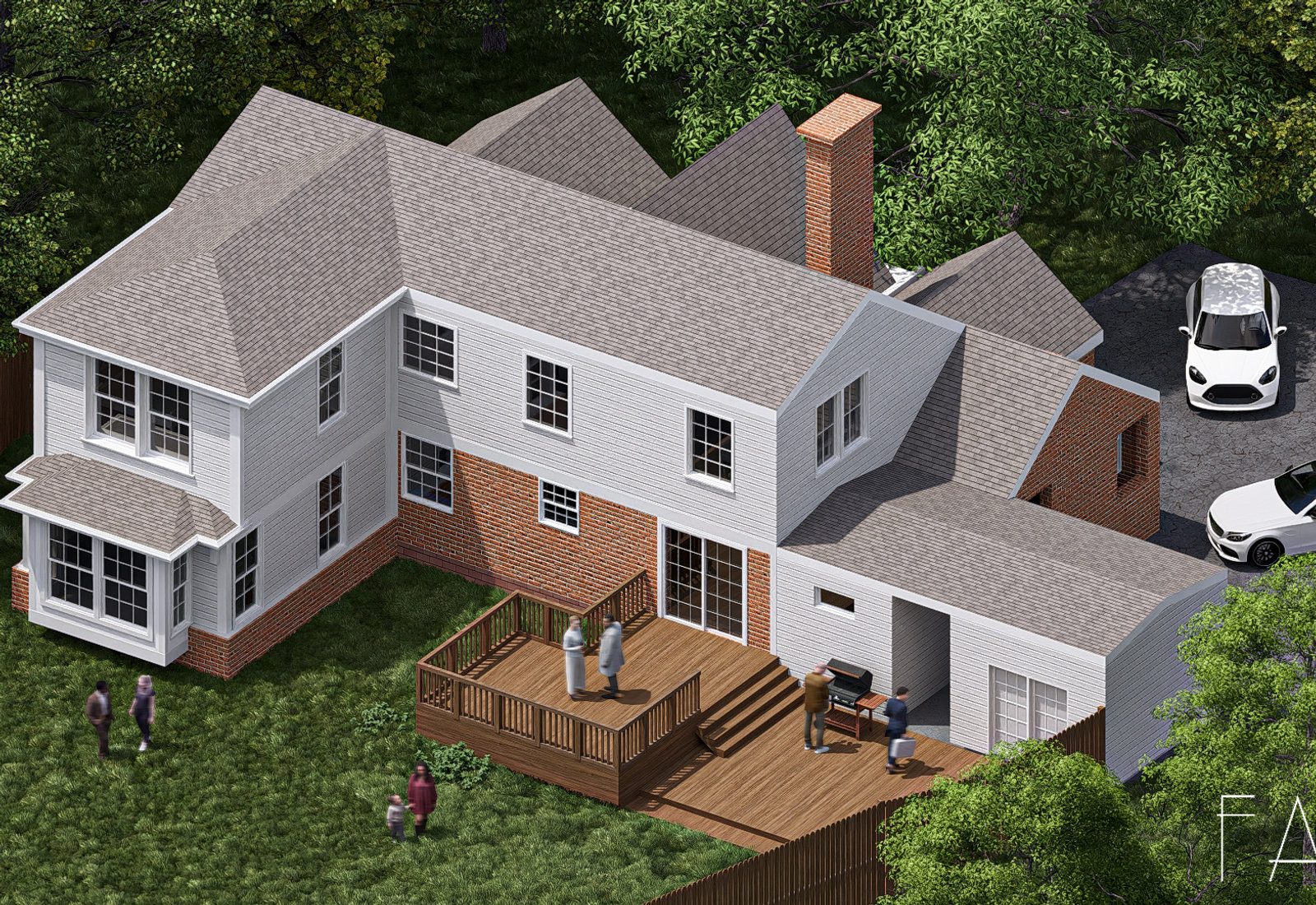
Green Hills is an auto-era suburb of 1920s–1950s cottages, Tudors, and ranches on lots generous enough to actually absorb an addition. Most of it is straightforward RS zoning — but the Green Hills East pocket carries a conservation overlay, and the commercial core has its own design overlay.
Green Hills developed from the late 1920s onward as one of Nashville's first automobile suburbs, marketed to city dwellers who wanted "no smoke or dirt." Developer John Calhoun's Green Hills subdivision anchored the early build-out, and Green Hills East is the namesake historic district.
Growth accelerated after the war, adding bungalows, Tudor Revival cottages, and mid-century ranches through the 1940s–60s. The 1955 opening of the Green Hills shopping center — later redeveloped as The Mall at Green Hills — locked in the area's commercial identity and, eventually, its land values.
Nashville's premier luxury shopping center and the commercial anchor of the whole area.
The legendary 90-seat songwriter listening room on Hillsboro Pike.
Metro branch library that doubles as a community gathering space.
Cluster of late-1920s and 1930s homes recognized for architectural significance and covered by a conservation overlay.
The spine connecting Green Hills to Belmont-Hillsboro and downtown.
Anchor luxury retail drawing shoppers from across the region.
Iconic music venue tucked into an unassuming strip center.
Longtime neighborhood grocery anchor on Hillsboro Pike.
Dense retail and restaurant strip serving the surrounding residential blocks.
These are the base districts and overlays we see most often on Green Hills lots. Always confirm your parcel's district and overlays on the Metro zoning map before design decisions get expensive.
Common on the tighter blocks closer to the commercial core.
The workhorse district across much of Green Hills — usually enough room for a real addition or a detached garage.
Larger lots on the western and southern edges, with the most flexibility for a DADU.
Corridor zoning along Hillsboro Pike and Abbott Martin near the mall.
Applies to the historic Green Hills East subdivision and regulates scale, setbacks, and demolition in that pocket only.
Governs design standards in the commercial core around the mall. Administered through Planning, not the MHZC.
Green Hills is one of Nashville's most affluent neighborhoods and its benchmark for residential property values, anchored by the region's premier shopping destination and a nationally known music venue.
The mix of intact 1920s–1950s housing, strong schools, and high-end retail keeps demand — and teardown pressure — high, which is what drove the Green Hills East conservation designation.
Nightly ticketed writers' rounds that draw visitors from around the world.
Holiday displays and shopping events at the commercial core.
Seasonal market held on area retail lots.
Tell us about your lot and what you're hoping to do. We'll write back within one business day.