Fabl Design
Banta / Jefferson Street Neighborhood · Valparaiso, IN

Valparaiso's walking-tour neighborhood, block by block

The Banta and Jefferson Street blocks just off downtown are the residential area the city's Historic Preservation Commission actually documents, with two published walking tours covering the houses. Expect deep, narrow lots, mature street trees, and a housing stock old enough that as-built verification comes before design.
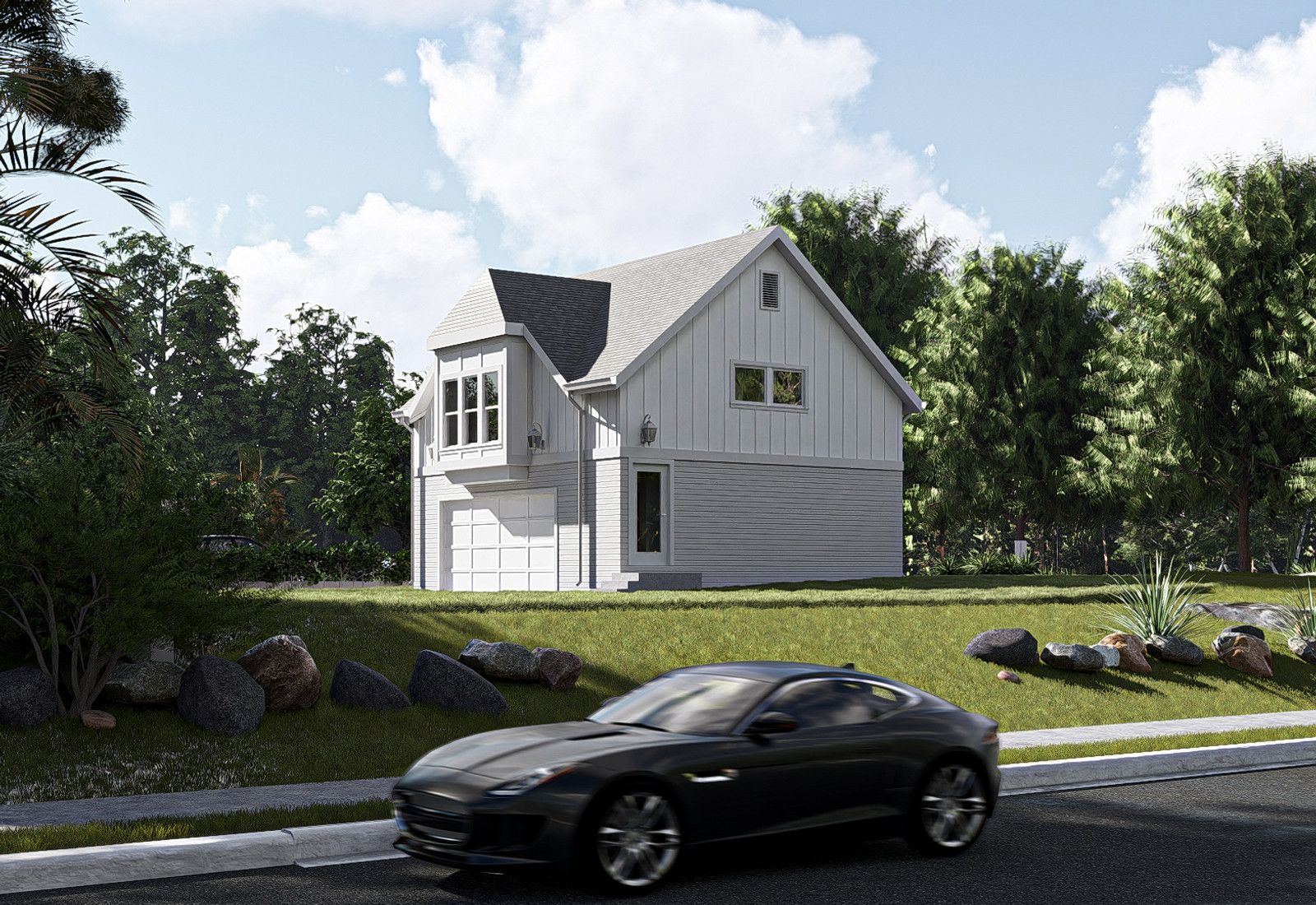
Rendering of a white board-and-batten farmhouse with an attached garage on a wooded lot, designed by Fabl Design
History & architecture

How Banta / Jefferson Street Neighborhood was built

The Banta name comes from an early Valparaiso family and the Banta addition platted near the edge of the original town plat, which put houses within walking distance of the courthouse square.

The neighborhood built out largely between the 1870s and the 1920s, so the architecture runs from late Victorian through Foursquare and Craftsman without a clear break.

The Valparaiso Historic Preservation Commission, established under the city's 2000 preservation ordinance, recognizes the area and publishes two Banta neighborhood walking tours covering individual houses.

Proximity to downtown and to Valparaiso University kept the blocks occupied through the postwar decades when many county-seat neighborhoods emptied out.

Reinvestment over the last two decades has been renovation-led: porch restorations, kitchen and primary-suite additions at the rear, and detached garages replacing failing sheds.

Typical era
1870s–1930s
Lot sizes
Narrow and deep, commonly 40–66 ft wide
Common types
Queen Anne and Victorian cottages, American Foursquare, Craftsman bungalow, Colonial Revival
Design review
Commission-documented area; confirm local designation status with Planning before assuming COA review
Landmarks & shared spaces

Places that anchor Banta / Jefferson Street Neighborhood

Banta neighborhood walking tours

Two self-guided tours published by the city's Historic Preservation Commission documenting the houses on these blocks.

Jefferson Street

The neighborhood's principal residential street and the reference for its street-wall setback pattern.

Banta Center

The long-running community and senior center that carries the neighborhood name.

Courthouse square

A short walk north; the reason the neighborhood exists where it does.

Valparaiso University

The campus edge to the east, which supports the rental and faculty housing mix.

Businesses & districts

Where Banta / Jefferson Street Neighborhood gathers

Lincolnway

Downtown restaurants and shops within a few blocks' walk.

Indiana Avenue

Neighborhood-serving commercial along the route to the university.

Calumet Avenue

Everyday retail and services on the east edge of the area.

Zoning & overlays

Common zoning codes in Banta / Jefferson Street Neighborhood

These are the base districts and overlays we see most often on Banta / Jefferson Street Neighborhood lots. Always confirm your parcel's district and overlays on the Metro zoning map before design decisions get expensive.

RS-2Single-Family Residential (medium density)

Medium-density single-family district covering much of the city's established neighborhoods, with smaller minimum lots than RS-1. Dimensional standards come from UDO Article 3.

RS-3Single- and Two-Family Residential

Higher-density district near the core allowing single-family and limited two-family dwellings on smaller lots.

RS-1Single-Family Residential (low density)

The city's large-lot single-family district under the Unified Development Ordinance. Confirm the current lot area, width, setback, and coverage figures in UDO Article 3 before design — the dimensional tables are the controlling text.

Overlays that apply here

NC

Neighborhood Conservation standards

UDO Division 3.400 lets lot area, width, and yards in older platted neighborhoods be measured against the established block pattern instead of the current district minimums.

HPC

Historic Preservation Commission area

The commission documents and tours this neighborhood. Confirm with Planning whether any locally designated district with a Certificate of Appropriateness requirement applies to a specific address — National Register listing alone does not restrict private work.

Permitting path

  1. 1Confirm the parcel is actually inside Valparaiso's corporate limits. A Valparaiso mailing address covers large parts of unincorporated Porter County, and the county has its own ordinance, plan commission, and board of zoning appeals. Porter County GIS settles it.
  2. 2Inside the city, the project is measured against the Unified Development Ordinance adopted in 2009 — district, lot standards, setbacks, height, and coverage in Article 3.
  3. 3Older platted neighborhoods can use the UDO's neighborhood conservation provisions (Division 3.400), which measure lot area, width, and yards against the established block pattern rather than the current district minimums.
  4. 4A zoning clearance application confirms compliance, then the residential permit — the alteration and accessory application for additions and accessory structures — is issued by the Building Department.
  5. 5Anything that misses a dimensional standard goes to the Board of Zoning Appeals as a development standards variance. The BZA meets at 5:30 pm on the third Tuesday of the month at City Hall, 166 Lincolnway, so plan on roughly four to eight weeks.
  6. 6Work near mapped flood hazard areas or drainage ways adds Chapter 55 floodplain and stormwater review, measured against the city's Stormwater Technical Standards Manual and the Indiana Floodplain Information Portal.
Why it matters

Banta / Jefferson Street Neighborhood's place in Valparaiso

It is the neighborhood Valparaiso itself chose to document, which makes it the reference point for what the city's historic residential fabric looks like.

Walkability to the square and the university keeps demand steady, so renovation budgets here support real design work rather than minimum-cost repair.

The block pattern — consistent front setbacks, front porches, rear alleys and garages — is the pattern newer neighborhood-scale development in the city is measured against.

Events & festivals

What happens in Banta / Jefferson Street Neighborhood

Historic Preservation Commission walking tours

Year-round, self-guided

Two published Banta neighborhood tours.

Popcorn Festival

Saturday after Labor Day

The parade route and crowds run through the adjacent downtown blocks.

Porch and garden season

Late spring–summer

Front-porch life is the defining social pattern of these streets.

Designing here

What this means for your Banta / Jefferson Street Neighborhood project

  • Rear additions are the workable strategy. Side yards on 40 to 50 foot lots rarely have the room, and the street wall is the neighborhood's defining feature.
  • Restore the porch rather than reinventing it. Column proportion, railing height, and decking material do more for the front elevation than anything you can add behind it.
  • Original double-hung sash is usually repairable. Where replacement is justified, match the profile, muntin pattern, and reveal depth.
  • Detached garages off the alley match the historic pattern and keep the addition budget out of the front yard, but they count toward lot coverage.
  • Foundations, knob-and-tube wiring, and undersized service are the recurring surprises on pre-1920 houses here. Budget the assessment before the design.
  • Use the neighborhood conservation provisions deliberately — they are the difference between an addition that fits the block and one that needs a variance to exist.
FAQ

Questions about Banta / Jefferson Street Neighborhood

Start your project

Planning an addition or ADU in Banta / Jefferson Street Neighborhood?

Tell us about your lot and what you're hoping to do. We'll write back within one business day.